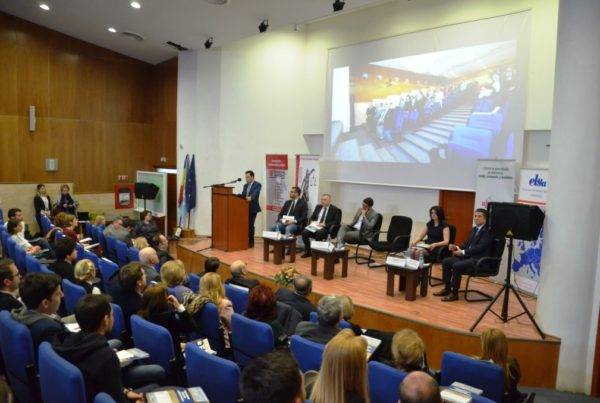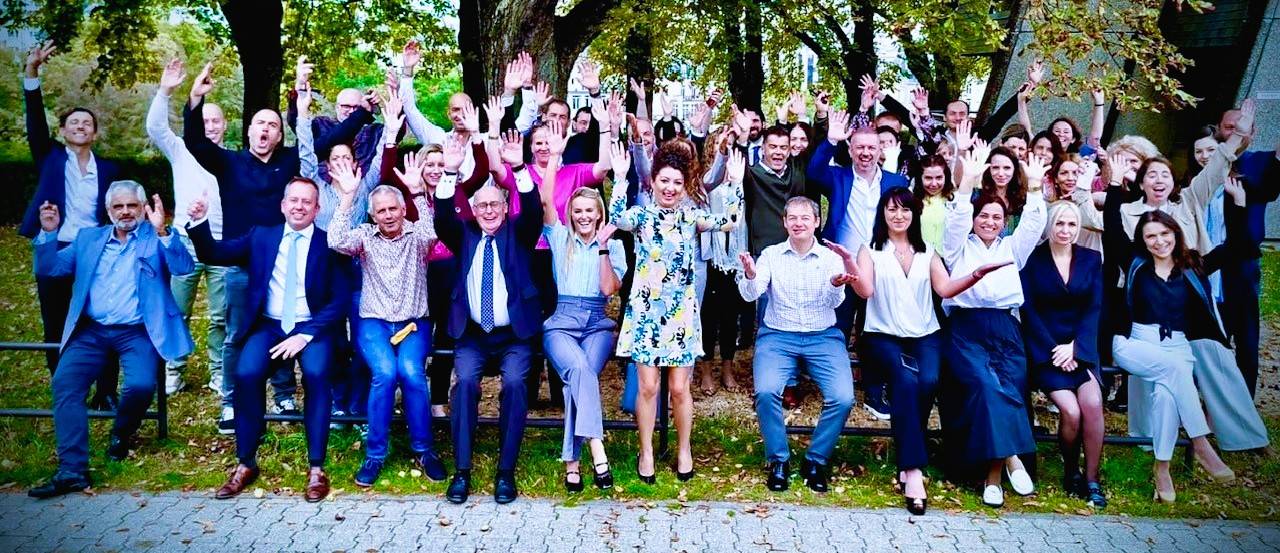
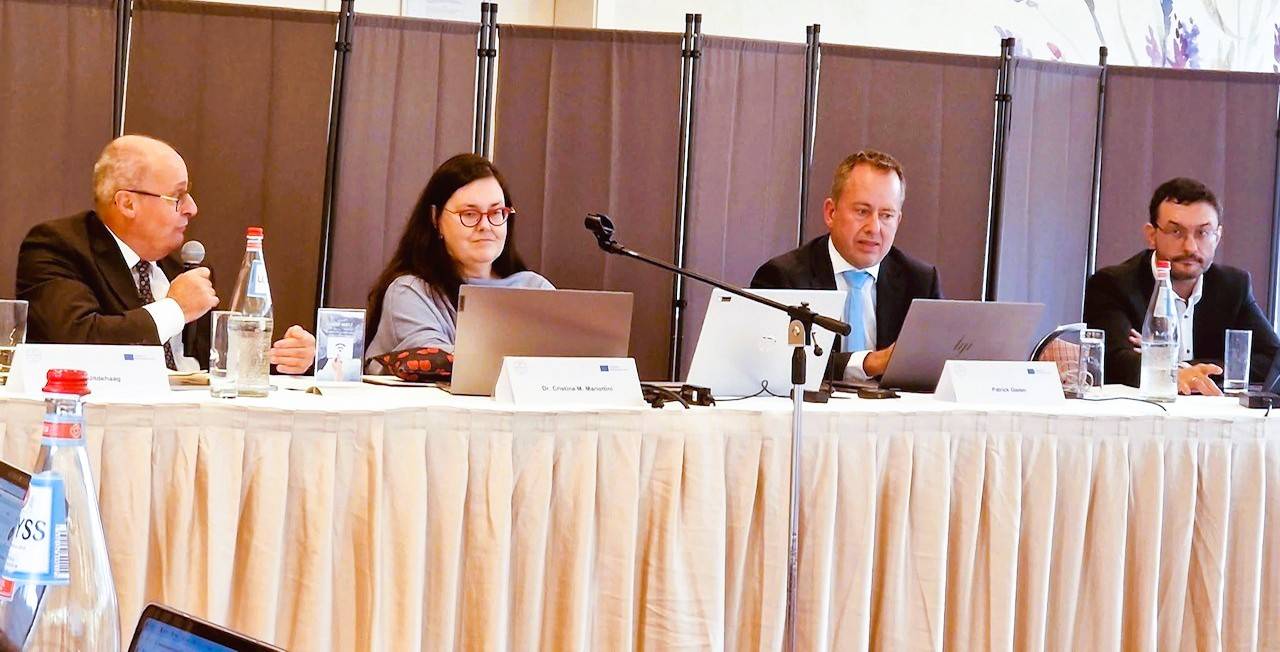
European judicial officers took part in the first international conference on “AI and the Justice Sector in the EU Regulatory Landscape (I) – Civil matters”, held in Luxembourg on 29 and 30 September 2026. The conference was organised by the European Institute of Public Administration (EIPA) under the JUST AI-BLOC EU project, funded by the European Union. Its aim was to give participants a deep understanding of the role and impact of artificial intelligence in the justice sector. The legal, ethical and technological sides were covered, with a focus on the AI Act, fundamental rights, due process and the responsible use of high-risk systems.
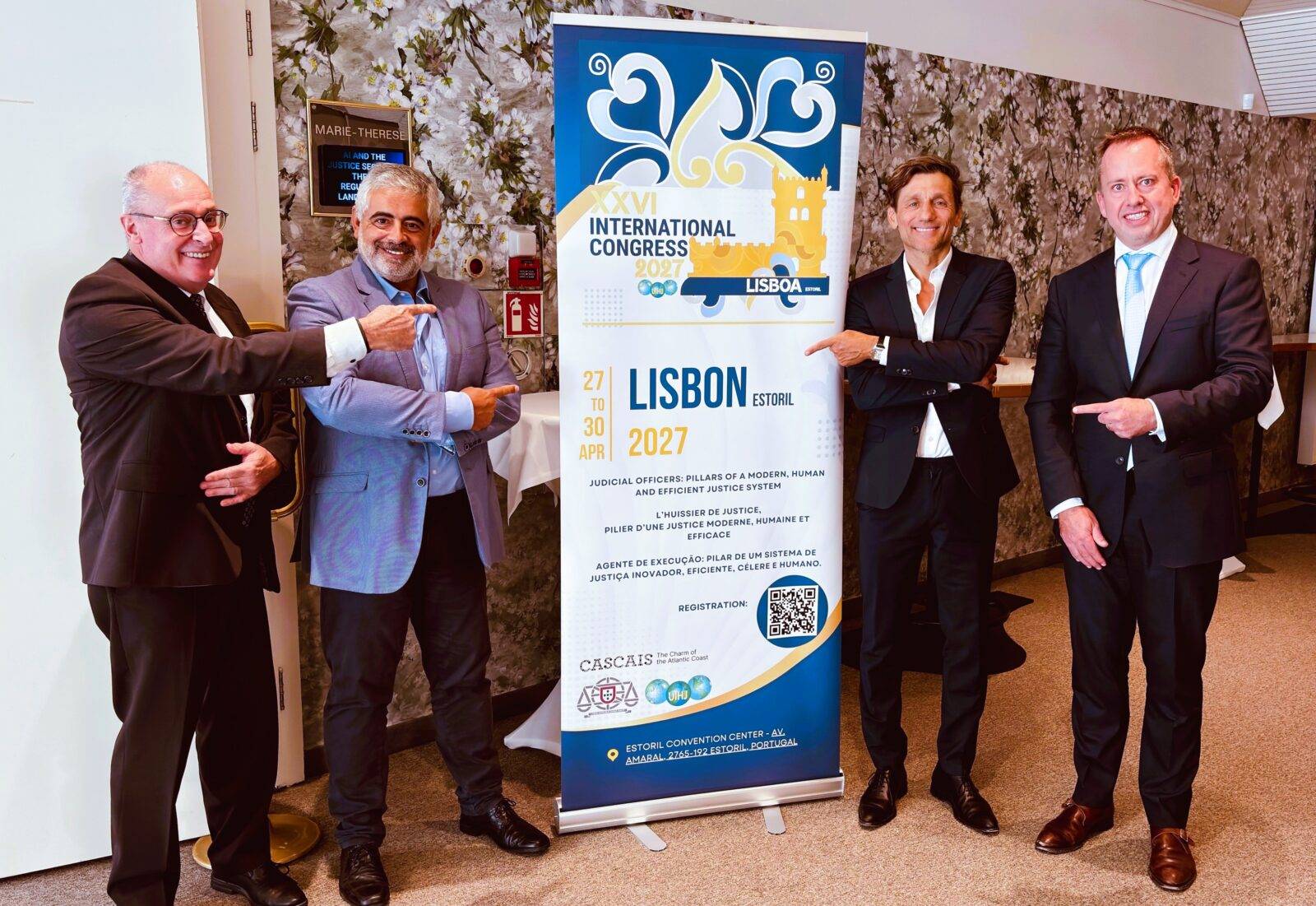
The European Union of Judicial Officers (UEHJ) was represented by Duarte Pinto, member. The International Union of Judicial Officers (UIHJ) was represented by its First Vice-President, Jos Uitdehaag, its Treasurer, Carlos Calvo, and its Secretary General, Patrick Gielen. Their presence shows the interest of the profession in a subject that directly affects the enforcement of judicial decisions.
We would like to highlight the contribution of Jeoffrey Vigneron, a tech lawyer and co-founder of Lawgitech. He gave the keynote speech on the first day, on the AI Act and its impact on the justice sector. He looked at the role of AI in judicial systems, its opportunities and its challenges, as well as ethical and fundamental rights considerations. He then came back to AI and due process, around three questions: the risks of bias and discrimination in proceedings, the right to an explanation of AI-driven decisions, and human oversight with appeal mechanisms. These questions are not theoretical. They are part of the daily work of those who enforce judicial decisions.
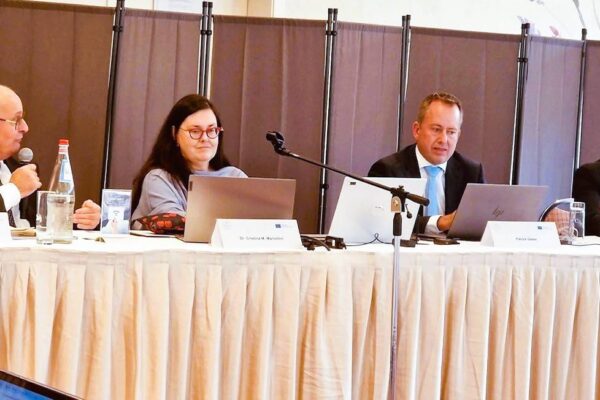
Dr Cristina M. Mariottini, for her part, presented risk classification and high-risk AI systems, and then the case law on digital assets and NFTs.
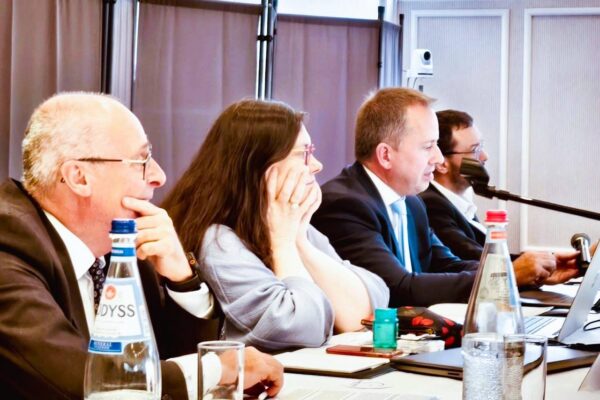
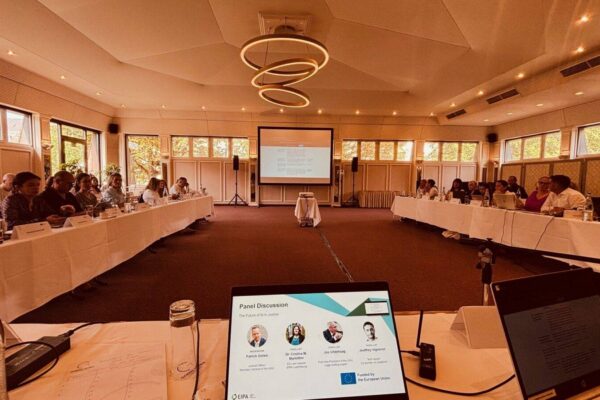
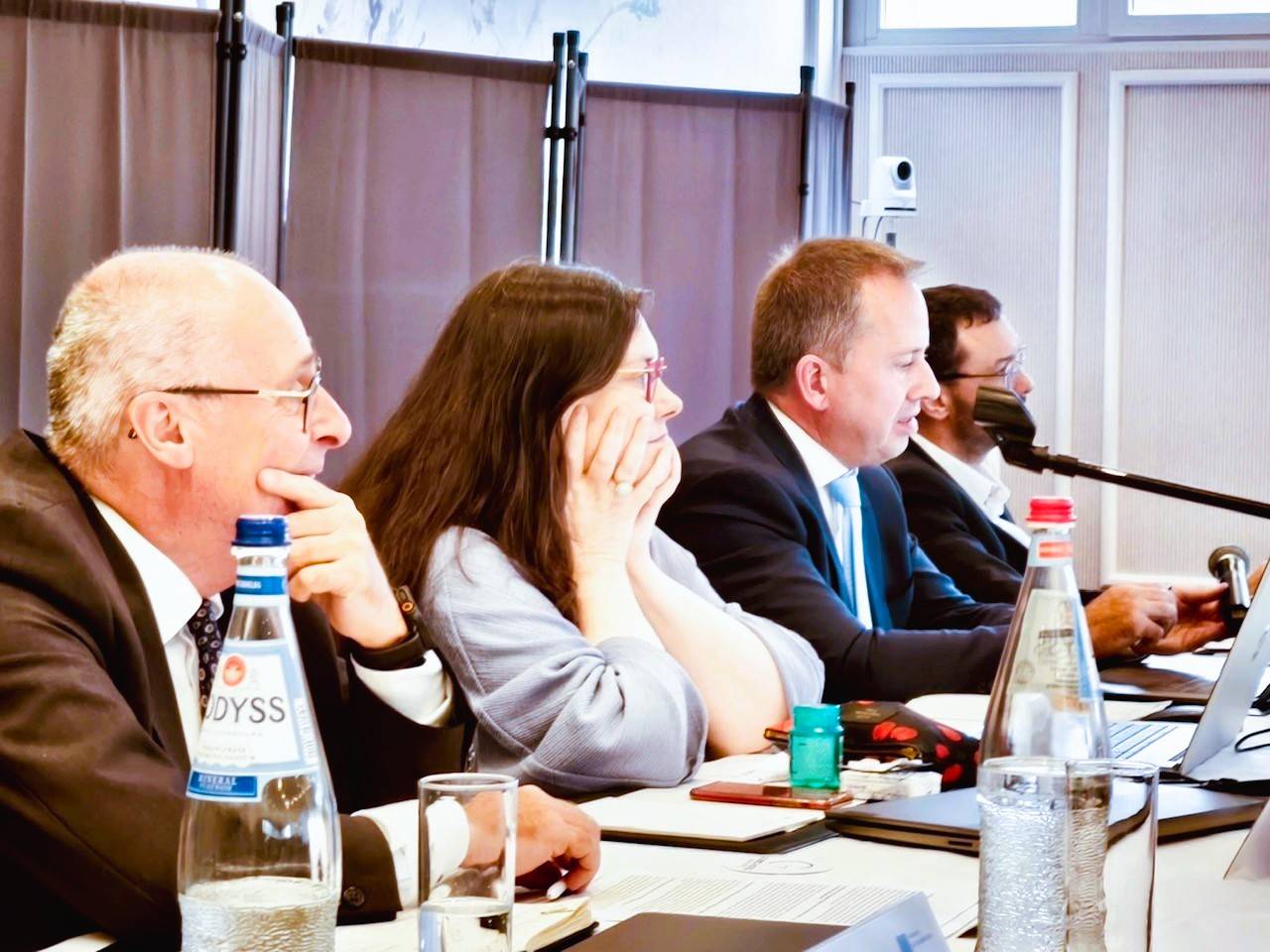
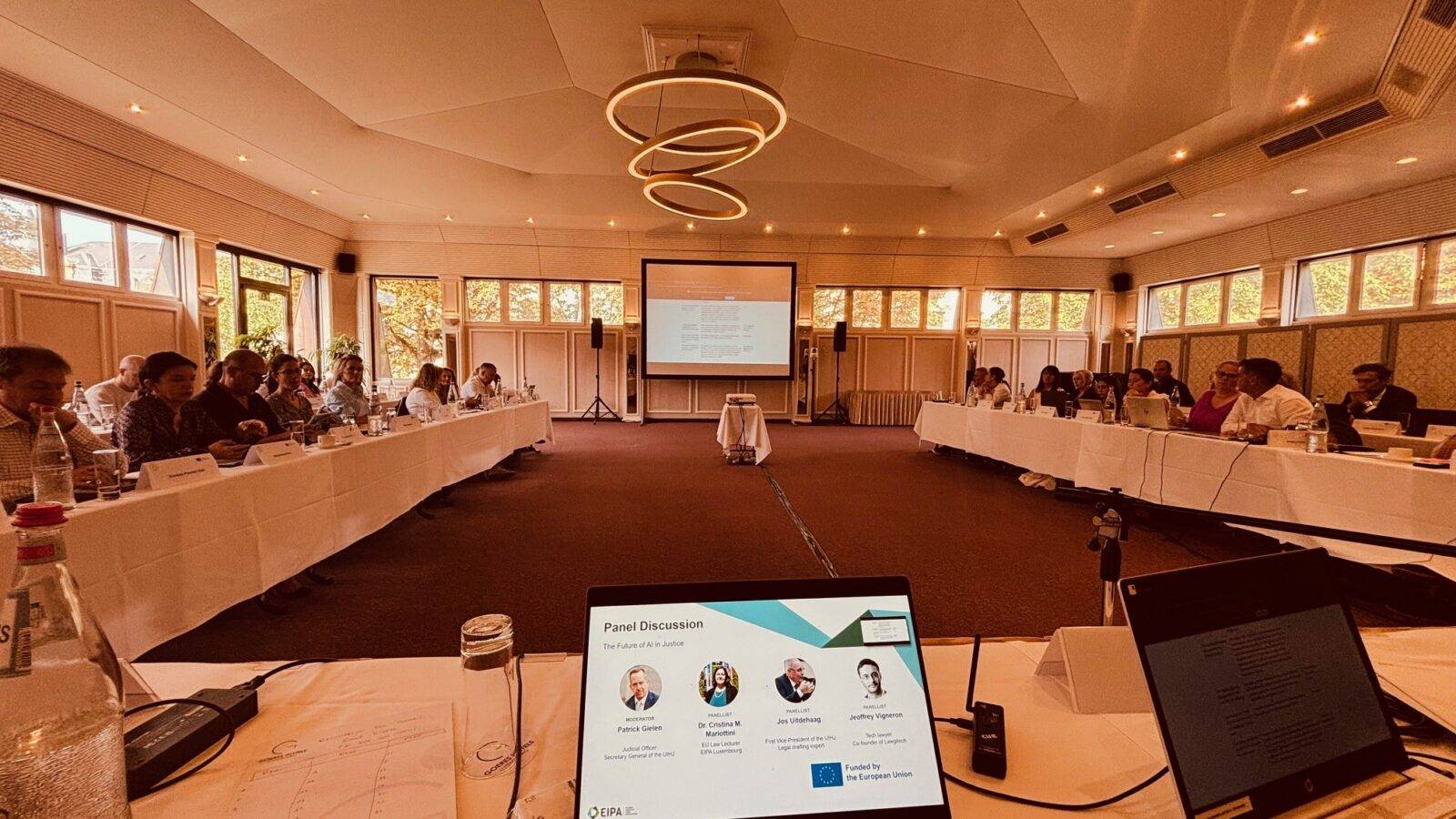
The first day ended with a very active and interactive panel on the future of AI in the field of justice, moderated by Patrick Gielen. This end-of-day exchange showed the interest of legal practitioners, whether judges, lawyers or judicial officers, in the importance of getting to grips with this new subject as quickly as possible.
On the second day, Patrick Gielen presented with her the session on legislative and regulatory novelties from the EU, under the title “The AI Act on the Ground”. His message was practical. Judicial officers are deployers of AI systems, not providers. The use decides the risk, not the tool. Several duties already apply today: AI literacy, transparency and the GDPR, without waiting for the deadline for high-risk rules. He gave an example from a decision of December 2025 in Antwerp, in an enforcement case, where an appeal based on case law invented by a chatbot was sanctioned. He ended with a simple principle: AI may support the judge, never replace the judge, and the same is true for those who enforce. The legitimacy of a coercive act comes from the person who signs it.
Jos Uitdehaag then spoke about the cybersecurity of AI in justice, under the title “The Weakest Link”. He recalled that the AI Act requires robustness and cybersecurity for high-risk systems. Yet the NIS2 Directive leaves the judiciary outside its scope, which creates a gap in protection. Incidents in France and in two US states between 2022 and 2025 show that courts are real targets. He invited professionals not to wait for a new directive: adopt voluntary standards such as ISO/IEC 27001, question AI vendors, and secure the whole chain, from case management to enforcement. An AI system that is accurate and compliant remains fragile if the network that hosts it is not secure.
We warmly thank EIPA for organising these two days, and in particular Dr Cristina M. Mariottini, Lecturer at EIPA Luxembourg, and Christiane Lamesch, Senior Project Management Officer and Contract Manager of the JUST AI-BLOC EU project. Their commitment made high-quality exchanges possible.